STUDENT VOICES · EDUCATION RESEARCH · GLOBAL COMPARISON

Every student has the right to choose their university with evidence, not with faith.

Global Youth Decision Lab helps young people create a better and more educated world. We find problems and strengths in education systems, one school and one country at a time. We tackle the highest staked aspect of a high schooler: choosing a college and a future path.

Youth-Led Initiative Est. June 2026 Education Across Borders
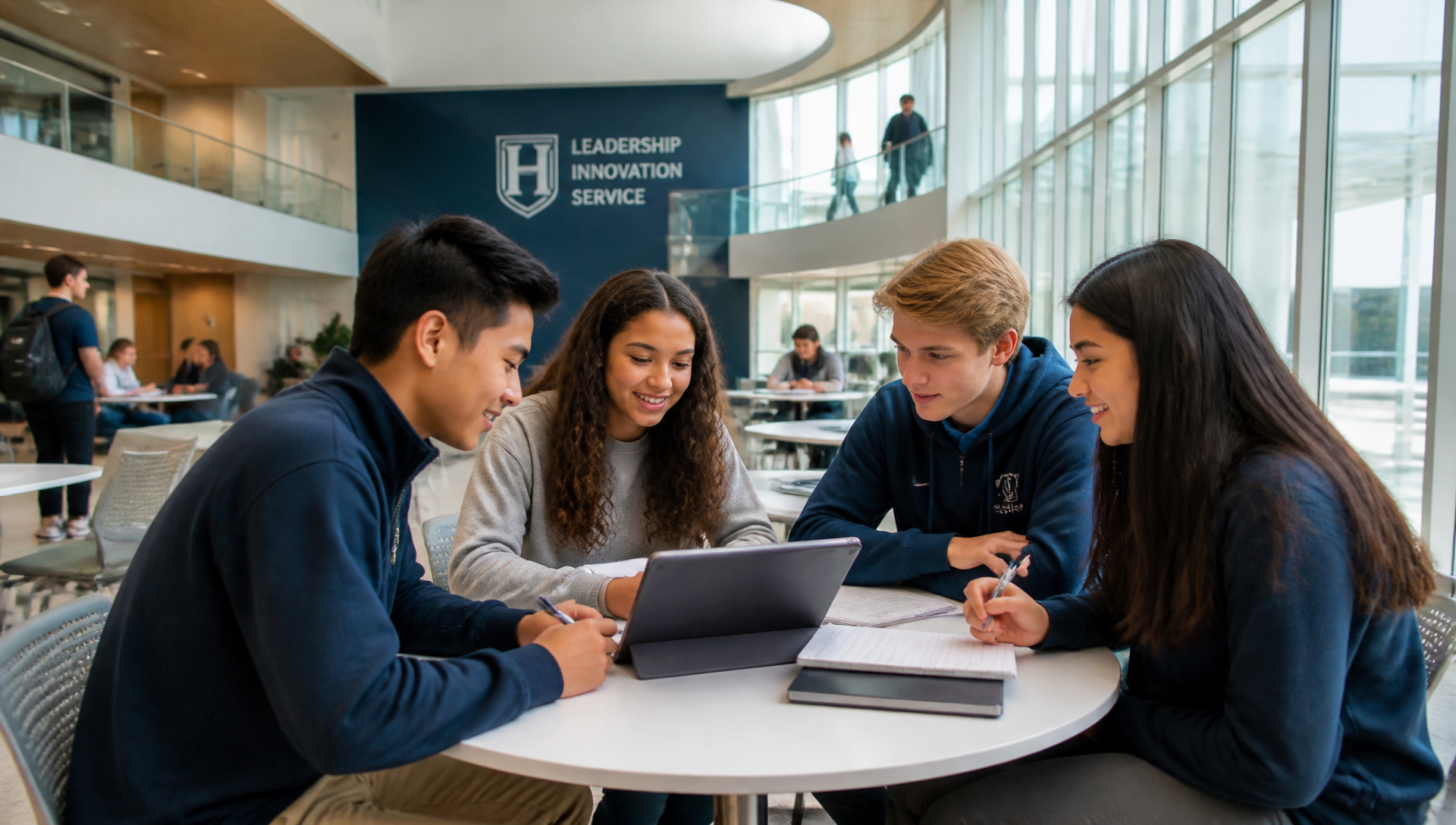
Diverse high school students discussing their university plans around a tablet in a bright modern school common space
Millions of students decide their future with limited guidance. We are raising awareness of it in order to change us for the better.
Our Mission

Finding the holes in every education system — and closing them with research & statistics

Better understanding where education can support young people more effectively—from individual classrooms to entire countries—and to turn those insights into practical ideas that help students build more confident futures.

Globe icon representing worldwide reach

Embodying every nation and ethnicity

We think globally so every education system can improve locally. By comparing education across countries, cultures, and communities, we transform shared insights into stronger schools and safer, more educated societies.

Icon of a mind representing psychology

Experience into evidence

We transform students’ experiences into meaningful data, identify the patterns behind their challenges and strengths, and use those findings to help shape a more educated and promising future for young people.

Icon of students representing youth participation

Powered by young people

We seek the power of every single individual. Students are not the subject of our research — they are its co-authors and its direct recipients.

Two researchers analysing education data dashboards on a large screen
What We Do

Four steps from an unanswered question to meaningful change

  • 1. Conduct research to understand how students make decisions about university, fields of study, and future careers—and identify where educational guidance may be falling short.
  • 2. Publish our findings openly and present them in clear, accessible language that students, parents, educators, and decision-makers can use.
  • 3. Translate the evidence into practical recommendations and policy proposals designed to strengthen educational guidance and support systems.
  • 4. Work with schools, communities, and public institutions to encourage meaningful improvements—and evaluate their impact on students’ confidence and ability to make informed decisions.
Explore our programs

Goals this school year:

0 countries represented
0 partner schools
0 student responses
A researcher mentoring two high school students at a university library table
From the Founder

How GYDL Began — 
A Note from the Founder

“A student… advocating for students”

GYDL began with a question I could not ignore: why are young people expected to make one of the most important decisions of their lives before they have been given the tools to truly understand themselves?

The idea had been growing quietly in my mind for several months, but it became clear in June 2026. One week later, I began reaching out to people whose experience could help strengthen the concept and give it the academic and scientific foundation it needed. Together with our pilot schools and collaborators, we started shaping what I hope will become a trusted and meaningful resource for students and their families.
Voices

What our first contributors say

"For the first time our students are answering questions about themselves before they answer questions about universities. That reversal changes everything."

AM Andreea M.Ambassador in pilot school

"I stopped choosing a degree that would impress people and started choosing a path that fits me. I wish every student had this in their final year."

SL Sofia L.12th grade student
Join the first cohort

Help shape the future of university guidance

Partner schools play an active role in developing GYDL’s research and methodology. They receive early access to the findings and give their students a practical decision-making framework grounded in psychology, evidence, and real student experiences.