
Rigour
Every conclusion should be supported by a transparent method, a clearly defined sample, and responsibly interpreted data. We avoid shortcuts, exaggeration, and statistics used only for impact.
Global Youth Decision Lab is an international, youth-led educational research initiative. We study how students make decisions about university, fields of study, and future careers—and how schools and guidance systems can support them more effectively.
By gathering student experiences across countries and turning them into meaningful evidence, we aim to help schools, families, researchers, and education leaders better understand the pressures, influences, and uncertainties shaping young people’s futures.
Our mission is to understand where students feel supported, where guidance falls short, and what could help young people make more informed and confident decisions about their future.
We collect and compare student experiences across schools, communities, and countries. By transforming those experiences into clear and responsible research, we hope to identify shared challenges, recognise effective practices, and contribute to stronger educational guidance.
Our area of research focuses on secondary-school students preparing to choose a university, field of study, or career direction. These decisions can shape many years of a young person’s life, yet they are often made under pressure, uncertainty, and limited personalised support.
GYDL exists to make those decisions better understood—and, over time, better supported.
Educational challenges rarely belong to only one school or one country. Students across the world may experience different systems, expectations, and opportunities, but many of the questions they face are shared.
By working across borders from the beginning, GYDL can compare experiences honestly, identify both differences and common patterns, and help each participating school see its students within a wider international context.
We begin by listening, gathering data, and understanding students’ experiences before proposing conclusions or solutions.
Young people are not simply studied. Their experiences, perspectives, and questions shape the research itself.
Our findings should be clear, useful, and available to the students, families, schools, and communities they describe.
Grades matter, but they do not tell the whole story. Good guidance should also consider interests, values, strengths, confidence, and personal circumstances.
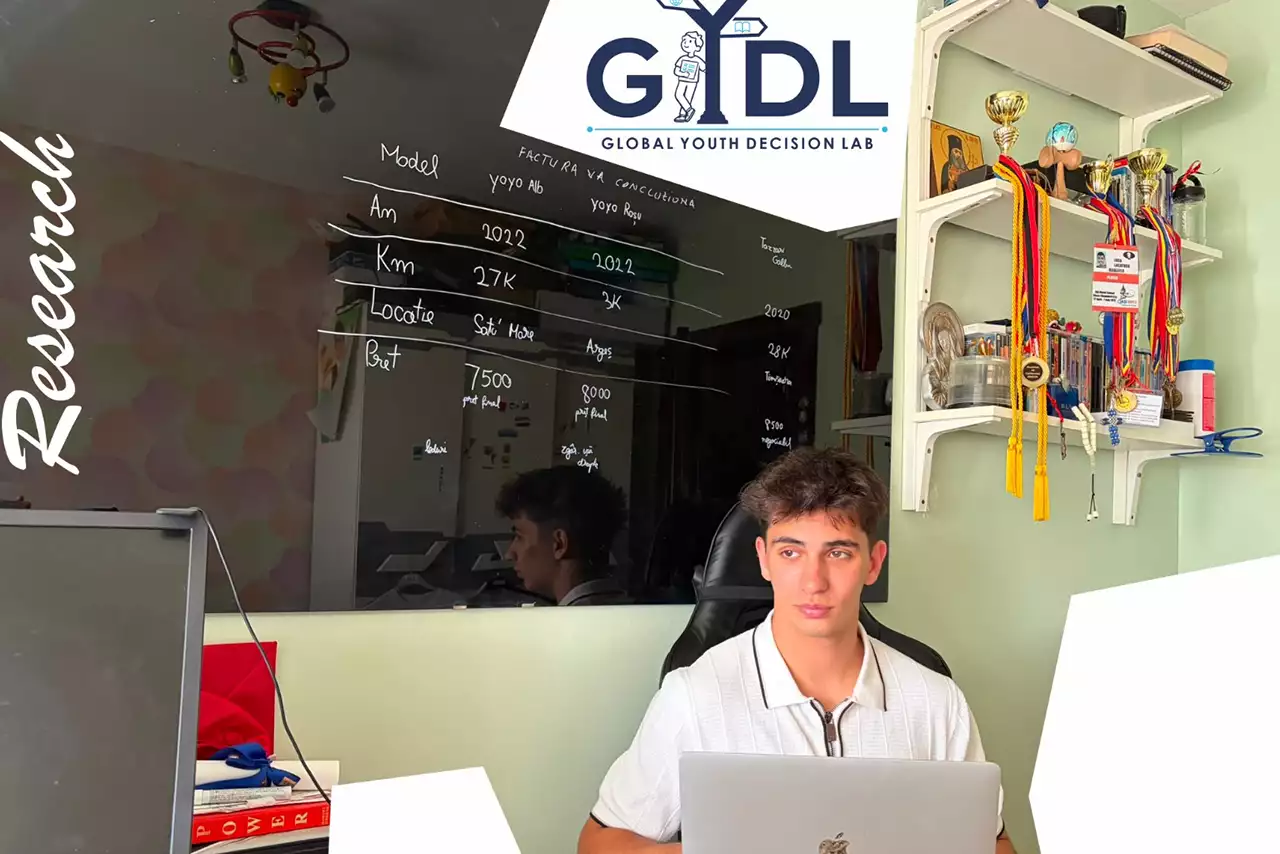
GYDL began with a question I could not ignore: why are young people expected to make one of the most important decisions of their lives before they have been given the tools to truly understand themselves?
The idea had been growing quietly in my mind for several months, but it became clear in June 2026. One week later, I began reaching out to people whose experience could help strengthen the concept and give it the academic and scientific foundation it needed. Together with our first collaborators and prospective pilot schools, we began shaping what I hope will become a trusted and meaningful resource for students and their families.
This project is deeply personal to me. It brings together my long-standing interest in psychology, education, and the choices that shape a young person’s future.
I believe choosing a university is about much more than selecting a degree or deciding where to study. It is about understanding who we are, recognising our strengths, and finding a direction that reflects both our potential and the person we hope to become.
Every year, students are asked to make this decision while facing uncertainty, academic pressure, social expectations, and often limited personalised guidance. Too many feel that they must choose quickly, follow the safest path, or meet the expectations of others.
I believe they deserve better.
Through GYDL, my goal is to bring together student experiences, educational research, and psychological insight. By turning students’ voices into meaningful data, we hope to better understand what influences their choices, where support systems may fall short, and how guidance can respond more effectively.
This is only the beginning. I hope GYDL can contribute to a future in which students choose their path not by chance, fear, or pressure, but through self-discovery, evidence, and purpose.
Every conclusion should be supported by a transparent method, a clearly defined sample, and responsibly interpreted data. We avoid shortcuts, exaggeration, and statistics used only for impact.

When young people take part in our research, their privacy, consent, dignity, and wellbeing come first. No research objective is more important than the people contributing to it.

We aim to present our findings clearly and make them accessible to the students, families, educators, and communities they concern.

Research should not end with a report. Its value lies in helping people understand a problem, begin a conversation, improve guidance, or make a more informed decision.
Developing and testing the first research framework with partner schools, students, educators, and scientific advisers.
This phase will help us refine the survey, establish ethical research procedures, and understand how the project can be most useful to participating schools.
Expanding the study to additional schools and countries, comparing student experiences across different educational and cultural contexts.
The findings will be presented in clear reports designed for students, families, educators, researchers, and partner institutions.
Using the evidence gathered to develop practical recommendations for schools, guidance teams, education organisations, and public institutions.
As the research grows, GYDL also aims to create a space where students, researchers, educators, and other informed voices can contribute to wider conversations about the future of educational guidance.
GYDL depends on the participation of students, schools, researchers, educators, and supporters who believe young people deserve better guidance.
Students can contribute their experiences. Schools can help shape and test the research. Researchers and educators can strengthen its methodology and interpretation. Supporters can help the project reach new communities.
Choose the role that fits you and become part of the first stage of GYDL.